
What Makes Texas a Unique Market for Real Estate Investors
When it comes to the draw of Texas for property investment, few markets offer as compelling a mix of growth and opportunity. With its robust economy, favorable tax climate, and growing population, this state stands apart in the world of real estate. Let’s explore why Texas offers value, examine the question of affordability and entry price, and outline how to capitalize on real estate investment in Texas today.

Economic & Demographic Tailwinds
Population and Job Growth
Texas has seen sweeping population growth in recent years, with gains outpacing national averages. This surge in residents naturally translates into demand for housing—whether for ownership or rental.
Business-Friendly Environment
The state’s pro-growth policies, including no state personal income tax, streamlined regulations, and large corporate relocations, lend a strong foundation to the local economy. For real estate investors, this means less drag from regulatory risk and a more robust tenant and employer base.
Affordability: The Entry Point Question
Why Is Real Estate Cheap in Texas Compared to Coastal Markets?
One of the frequent questions: why is real estate so cheap in Texas? While "cheap" is relative, median home prices are significantly lower than some coastal metros. Lower price points stem from larger land availability, less constrained zoning in many markets, and a more expansive metro footprint than some high-cost regions.
Entry Costs for Investors
The lower purchase price has a meaningful impact on investment math: smaller capital outlay, lower cost per square foot, potentially higher cash-on-cash returns, and a wider pool of viable properties. Median home prices in several markets remain below national averages, allowing new investors an attainable entry point.
Supply & Market Dynamics
Inventory, Price Movement, and Market Maturity
While affordability is a strength, it’s important to note evolving dynamics. The statewide median sale price in Texas recently hovered in the mid-$330,000 range, down slightly year-over-year, while active listings increased, meaning more negotiating leverage for buyers.
Why Real Estate Investment in Texas Can Still Offer An Upside
With elevated inventory and moderating price growth, there are opportunities for astute investors to step in. Because costs remain comparatively lower, there is room for value-add strategies, long-term appreciation, and rental growth as demographics continue to shift.
Renters, Use-Cases & Investment Strategies
Rental Demand & Tenant Profiles
Thanks to affordability pressures, many residents in Texas are choosing to rent longer. That provides a solid foundation for investors targeting rental income. Short-term rental opportunities are also growing in key markets where tourism, remote work, and migration intersect.
How to Invest Texas Real Estate: Strategies That Work
When thinking about how to invest Texas real estate, consider these pathways:
Buy-and-hold residential rentals in growing metros where entry costs are still modest.
Fix-and-flip or value-add projects, particularly in markets with moderate price points and strong growth potential.
Multi-family or commercial opportunities in metro areas where job growth is strong and demand for housing or workspace remains robust.
Is Texas a Good Place to Invest in Real Estate?
In short: yes, especially for investors who do their homework and target markets that align with their strategy.
Key Risk Considerations & Market Savvy
While Texas offers many advantages, no market is without risk. Investors should be mindful of factors such as interest-rate fluctuation, localized oversupply in certain sub-markets, and regional economic shifts such as dependencies on energy or tech. Being selective in geography, property type, and exit strategy matters significantly.
Also, the notion of “cheap” must be contextualized: while many parts of Texas offer relative affordability, certain metro suburbs have already seen significant appreciation. Thus, assuming every deal is low-cost can lead to missteps. Smart investors use data, local expertise, and conservative underwriting to guide decisions.

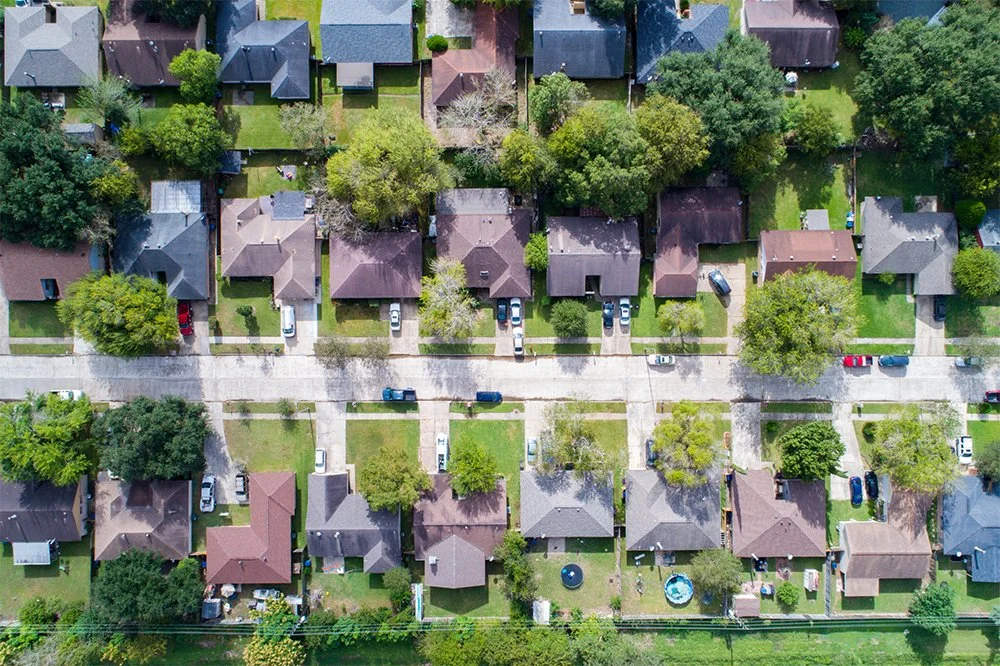
Image by John Takai
Invest in Texas Real Estate with Capstone Capital Partners
For those ready to act, understanding how to invest in real estate in Texas is the first step, followed by identifying the right market, property type, and management approach.
Ready to take the next step?
Explore the opportunity to participate in a dedicated capital vehicle designed to scale real-estate investments and capture the dynamics of the Texas market. Capstone Capital’s Growth Fund can help take your real estate investment strategy to the next level.
To get started - or to speak with one of our team members - contact us today!
